

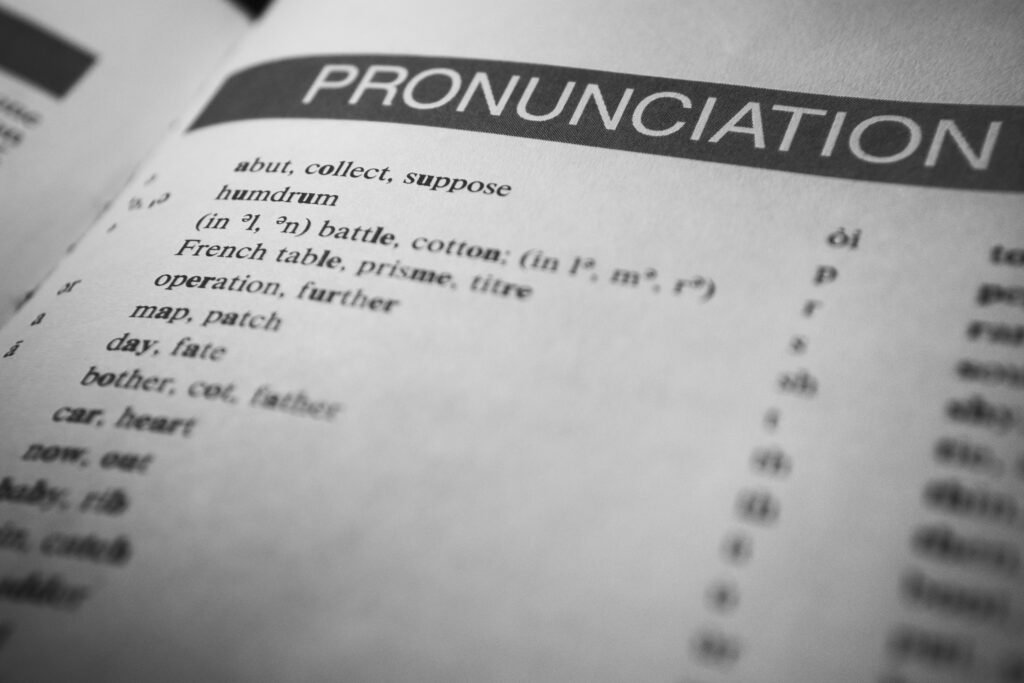
Mastering the pronunciation of a new language be a formidable challenge yet is an essential step toward fluency and confidence in communication. For non-native English speakers, refining pronunciation not only improves intellig but fosters greater engagement both personal and contexts. The strategies offer practical approaches to enhance pronunciation systematically and effectively.
1. Engage in Active Listening Transcriptions
One of the most effective methods for improving pronunciation is immersing oneself in authentic English speech. Listening to native speakers through podcasts, movies, or audiobooks learners to familiarize themselves with natural rhythm, intonation and patterns the language. Paying close attention to how words are pronounced and where emphasis is placed helps develop an understanding of correct pronunciation.
2. with Phonetic Transcriptions
the Phonetic (IPA) can significantly aid learners in mastering sounds that may not exist their native language. Utilizing dictionaries that include phonetic transcriptions enables learners to see exactly how words are pronounced. Repeating these transcriptions aloud reinforces correct articulation and helps internalize unfamiliar sounds.
3. Record Analyze Speech
Recording oneself provides valuable feedback that is often overlooked during practice. By to recordings, learners can identify pronunciation errors or inconsistencies and track their progress over time Comparing recordings with native speaker allows for targeted adjustments, fostering continuous improvement.
4. Focus on Minimal Pairs
Minimal pairs are pairs of words that differ by only one sound, such as “ship” and “sheep” or “bit and “beat Practicing these pairs sharpens awareness of subtle sound differences that can meaning. Regular exercises with minimal pairs help learners develop more precise pronunciation and reduce misunderstandings.
5. Use Pronunciation Apps and Online Resources
Technology offers numerous tools tailored for pronunciation practice. learning apps often feature interactive, speech recognition technology, and instant feedback mechanisms. Additionally, online platforms likeTube host tutorials focused on specific sounds or accents, providing and auditory guidance that complements traditional learning methods.
6. Seek Feedback from Native Speakers or Instructors
Engaging with speakers or qualified language instructors provides personalized into pronunciation issues Constructive feedback identify specific areas for improvement and offers practical tips tailored to individual needs. Particip in conversation groups or language exchanges creates real-world opportunities to practice pronunciation context.
7 Practice Mouth and Tongue
Physical exercises targeting mouth can improve clarity of speech sounds. such exaggerated enunciation or tongue twisters strengthen muscle memory and coordination necessary for accurate pronunciation. Regular practice enhances overall speech agility reduces hesitation.
8. Be Patient and Consistent
acquisition is a process requiring patience and perseverance. Consistent daily, even if only for a few, significant over.ating small victories continued effort and builds confidence in speaking abilities.
In conclusion, improving pronunciation as a non-native English speaker involves a combination of active listening, targeted practice, technological tools,, physical exercises, patience, and persistence. By integrating these strategies into daily routines, can achieve clearer articulation, greater comprehension, and increased confidenceult paving way toward fluency in English communication.